October 18, 2026
My Picks for the Top Writing Notebooks That Actually Get Used
By @thetopwritingnotebooksjournal
After a few decades of filling notebooks with everything from story drafts to grocery lists, I have a strong opinion about what makes a notebook worth buying. Not all paper is the same, and not every binding survives a bag. The top writing notebooks I reach for again and again share a few traits: paper that takes ink without bleeding, a cover that bends without breaking, and a size that fits where I need it. I have tested dozens of brands, and I keep returning to a handful that earn their place on a desk or in a jacket pocket.
What Makes a Notebook Work for Writing
Before I name names, I should explain what I look for. Writing is a physical act, and the notebook is the tool. If the paper feathers or the spine cracks, the whole experience sours. I prefer a smooth, heavyweight paper like that found in Clairefontaine or Rhodia products. Bristol paper, which some brands use, gives a stiff, almost card-like feel that resists ghosting even with a wet fountain pen. Dot grid pages are my default because they offer structure without the heaviness of ruled lines. A lay-flat binding is non-negotiable for me; I write in the margins and need the book to stay open without me holding it down.
Not everyone agrees on what makes a great notebook. Some writers love the compact size of a Field Notes memo book for quick notes. Others need the space of an A4 or B5 format. The top writing notebooks on the market cover all these preferences, but the best ones share that combination of quality paper, durable construction, and thoughtful design. I have seen expensive notebooks fall apart and cheap ones outlast them. It is not always about the price tag.
Leuchtturm1917: The Workhorse
Leuchtturm1917 notebooks are probably the most common sight at writing groups and coffee shops. They earned that spot honestly. The paper is smooth and takes fountain pen ink well, though it does ghost a little on the reverse side. The numbered pages, table of contents, and sticker labels make it easy to organize projects. I have used Leuchtturm1917 for years for longer manuscripts because the hardcover protects the pages and the elastic closure keeps it shut. The dot grid option is excellent. If you write with a TWSBI fountain pen or a Pilot G2, the paper handles both without bleed-through. The main downside is that the 80 gsm paper is thinner than some competitors, so if you press hard or use very wet ink, you may see shadowing.

Rhodia and Clairefontaine: The Paper Specialists
Rhodia and Clairefontaine are practically the same company, and both make paper that is a joy to write on. Rhodia pads and notebooks use a coated paper that feels almost waxy. Ink sits on the surface and dries bright. Clairefontaine makes the paper for many other brands, but their own notebooks are less common in the US. I keep a Rhodia No 16 pad on my desk for first drafts. The orange cover and black binding are iconic. The paper is 90 gsm, which is heavy enough to eliminate ghosting. A Rhodia webnotebook with the dot grid is one of the top writing notebooks for anyone who uses fountain pens. The only complaint I hear is that the covers are soft, so they do not offer much protection in a bag.
Moleskine: The Classic with Caveats
Moleskine is the brand that started the modern notebook craze. They have a distinct look: rounded corners, an elastic band, a bookmark ribbon. I used Moleskine for years before I tried other brands. The paper has changed over time, and the current version is thinner and more prone to bleed-through with wet ink. That said, if you write with a ballpoint or a fine felt tip, Moleskine still works fine. The brand is everywhere, and the size fits most bags. I would not recommend Moleskine for fountain pen users, but for everyday journaling with a Pilot G2, it is a classic choice. The real value is in the cultural cachet; many writers feel a connection to the brand. For the top writing notebooks list, it belongs for how it shaped the market, even if the paper quality has slipped.
Hobonichi Techo: The Planner for Writers
Hobonichi Techo is a Japanese notebook that uses Tomoe River paper. That paper is famously thin but handles fountain pen ink beautifully because of a coating that resists feathering. The Hobonichi Techo comes in daily, weekly, and monthly formats. I use the A6 original for daily logs. The paper is so thin you can see the next page through it, but ink rarely bleeds. The book lays flat from the first day. It is expensive for a planner, but the paper quality is unmatched. The only catch is that the thin paper can tear if you erase aggressively. I keep a separate Hobonichi for longer writing because the format encourages short entries. For a writer who also wants a calendar, it is one of the top writing notebooks available.
Midori MD: Minimalist and Dependable
Midori MD notebooks are made in Japan and sold by JetPens and other retailers. They come in a simple cream cover with a soft binding. The paper is uncoated, which gives a toothy feel that some writers prefer. Fountain pen ink dries quickly and shows shading well. The grid and dot grid options are clean and light. I have a Midori MD A5 that I use for brainstorming. The paper is 80 gsm but feels stiffer because of the fiber composition. The notebook does not have a pocket or an elastic band, so it is truly bare-bones. That simplicity appeals to writers who do not want any extra features. It is a strong contender among the top writing notebooks for anyone who values paper feel over extras.
Baron Fig: Design and Function
Baron Fig makes a ruled notebook called the Confidant that has a lot of fans. The paper is 100 gsm, which is thick enough to handle almost any pen. The cover is a soft touch material that feels nice in the hand. The binding is Smyth-sewn and lays flat from the first page. I used a Baron Fig for a novel outline and it held up well. The dot grid version is popular. The downside is that the paper is so thick that the notebook is heavier than others of the same size. If you carry it every day, you will notice the weight. Still, for a desk notebook, it is excellent. Baron Fig also sells a planner that uses the same paper. For writers who like a thicker page, this is one of the best options.
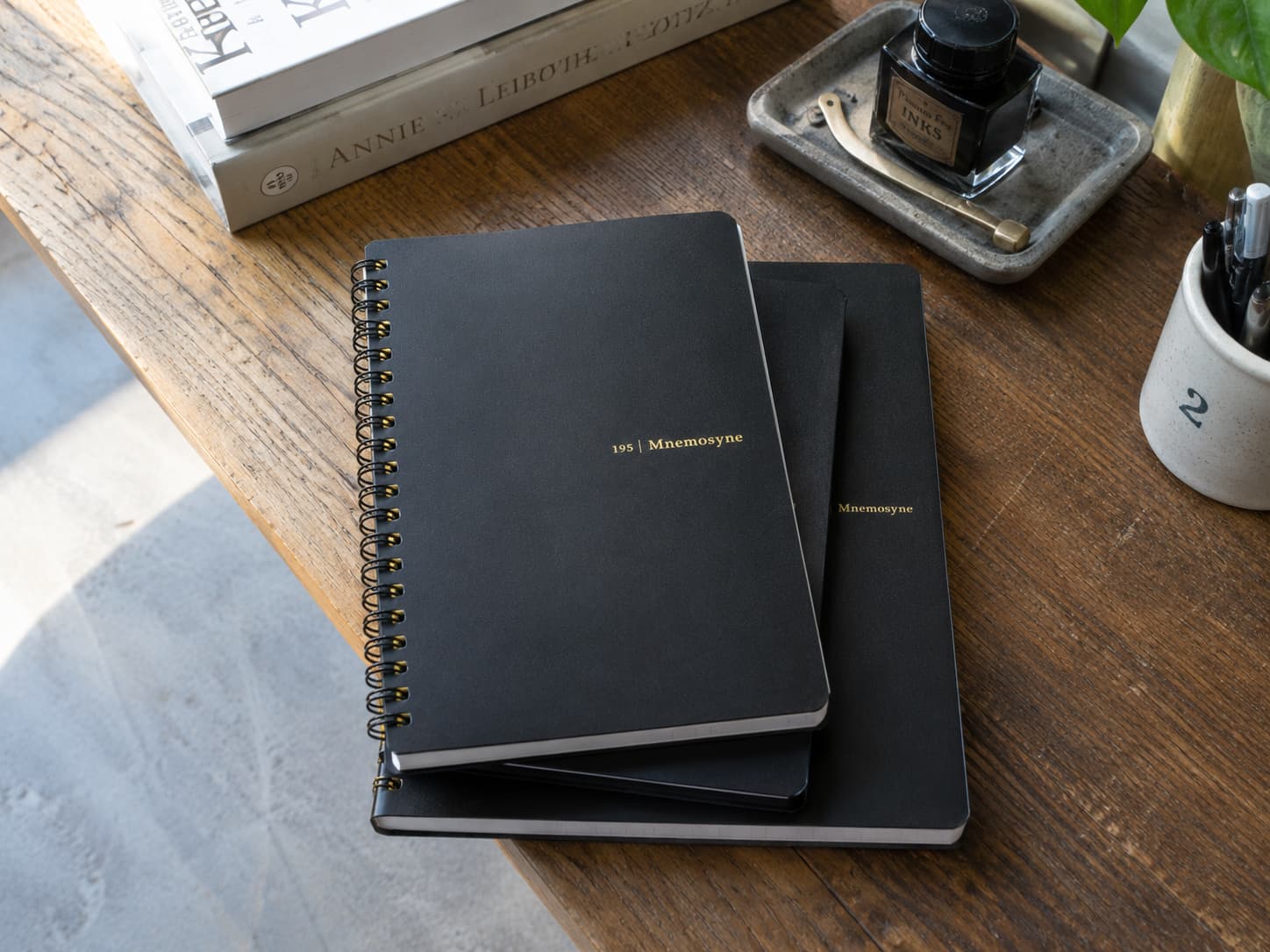
Archer & Olive and Notebook Therapy: The Modern Aesthetic
Archer & Olive and Notebook Therapy are newer brands that focus on aesthetics and thick paper. Archer & Olive uses 160 gsm paper, which is almost cardstock. Nothing bleeds through. The covers are often printed with floral or celestial designs. The books are heavy and take up space, but they are built to last. Notebook Therapy offers similar quality with a smaller price tag. Both brands use lay-flat binding and include a pocket in the back. I have used an Archer & Olive for bullet journaling, and the paper handled watercolor washes without buckling. For a writer who also sketches or uses mixed media, these are top writing notebooks. The trade-off is that the thickness reduces page count; a 160 gsm notebook with 160 pages is as thick as a 200-page notebook with 100 gsm paper.
Dingbats and Rocketbook: Two Different Approaches
Dingbats is an Irish brand that makes notebooks with 100 gsm paper and a vegan leather cover. The paper is cream-colored and takes fountain pen ink well. The binding is sewn and the book lays flat. Dingbats also includes a pocket and a pen loop. I have had a Dingbats for daily journaling for a year, and it shows almost no wear. The cover is flexible but sturdy. Rocketbook takes a completely different approach. It uses a synthetic paper that you can wipe clean with a damp cloth. You write with a Pilot Frixion pen, scan the pages with the app, and then erase everything. Rocketbook is not for archival writing, but for drafts and brainstorming, it is incredibly useful. I keep one for meeting notes and rough outlines. It is not a traditional paper notebook, but for writers who generate a lot of drafts, it reduces waste and clutter.
Field Notes and Peter Pauper Press: Pocket-Friendly Options
Field Notes memo books are small, cheap, and durable. They come in packs of three and fit in a back pocket. The paper is not fountain pen friendly, but for ballpoint or pencil, they are perfect. I use Field Notes for lists and quick ideas. The covers are colorful and the branding is fun. Peter Pauper Press makes a line of small notebooks with good paper for the price. Their "Essentials" line has a dot grid and a lay-flat binding. The paper is smooth and handles fountain pen ink surprisingly well. These are not as fancy as the big brands, but they are reliable and inexpensive. For anyone who wants to test the waters without spending a lot, Peter Pauper Press is a smart choice.
Strathmore and Bristol Paper Notebooks
Strathmore is best known for art paper, but they also make notebooks with Bristol paper. Bristol is a heavy, smooth paper that is stiff and resists ink bleed. Strathmore notebooks are hard to find in regular bookstores, but JetPens and other online stores carry them. The paper is excellent for fountain pens and even light marker use. The binding is sturdy. I have a Strathmore sketchbook that I repurposed for writing because the paper is so pleasant. For writers who want a truly bleed-proof experience, a Bristol paper notebook is a great choice. It is heavier than most, but the writing surface is unmatched.
Final Thoughts on Choosing Your Notebook
The top writing notebooks are not the same for everyone. A Leuchtturm1917 works well for a structured journaler. A Rhodia webnotebook suits a fountain pen enthusiast. A Field Notes pack fits a writer who always needs a notebook in their back pocket. I rotate between a Midori MD for brainstorming, a Hobonichi Techo for daily logs, and a Dingbats for long-form writing. The paper, the binding, and the size all matter. Do not be afraid to try a few. The cost of a notebook is small compared to the value of a tool that makes you want to write. JetPens and other specialty retailers sell sample packs that let you test different papers. That is the best way to find your own favorite.
In the end, the best notebook is the one that gets used. The top writing notebooks I have mentioned here all have a track record of being finished. That is the real measure. A notebook that sits empty on a shelf is just an expensive piece of paper. Find one that fits your hand, your pen, and your habits, and fill it.
❧